“Alignment” means working together toward a shared goal in a coordinated, connected way. Yet in many organizations, alignment is exactly what is missing: they operate in silos, move slowly, and get bogged down in bureaucracy. Poor collaboration wastes time, drains resources, and erodes momentum, causing money to disappear and valuable employees to leave.
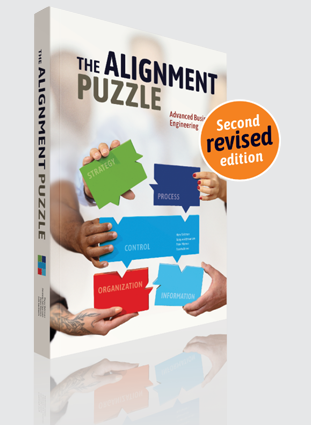
Alignment problems are not caused by people, but by the roles the organization imposes on them. The book “The AlignmentPuzzle” shows you how to create organizations that are not only more efficient and better able to get things done, but also much more enjoyable places to work.
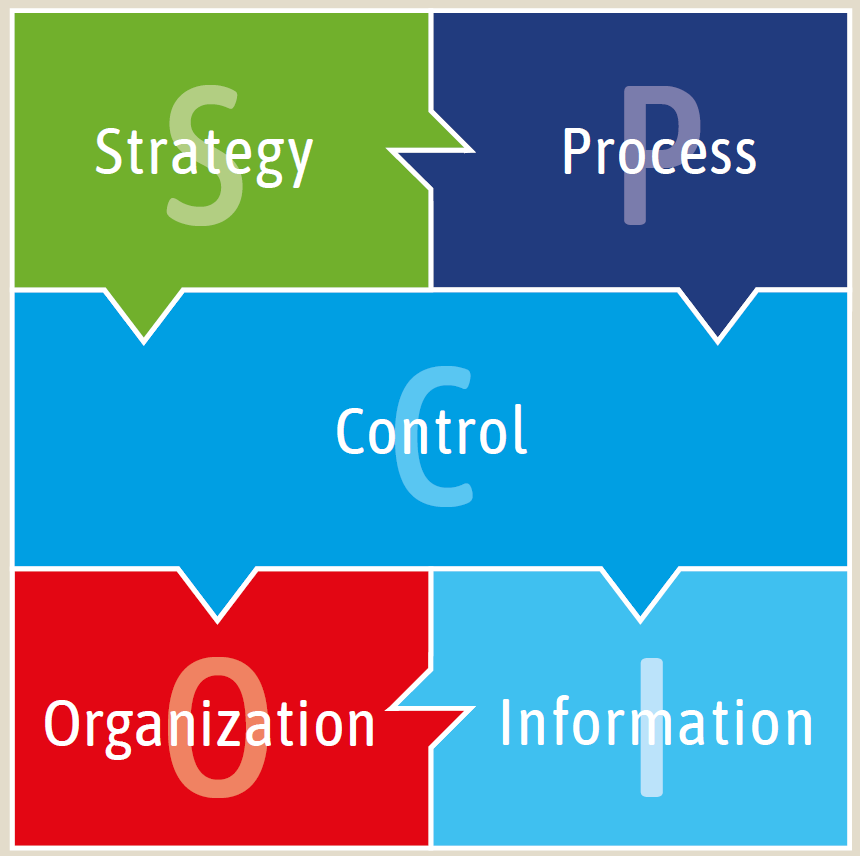
The core of any company is its primary process. That is where customer value is created. It is the business engineer's job to optimize the process and design the control in such a way that the strategy becomes reality. That is no easy task. In practice, it often turns out that there is little or no well-defined strategy. In that case, it all starts with developing a solid strategy for commerce and the supply chain.
The organization, with all its management layers and meeting structures, together with the information systems, makes up the way this governance is put into practice. Their design should follow from the control model—not the other way around.
The Alignment Puzzle introduces three core principles that transform how organizations operate.
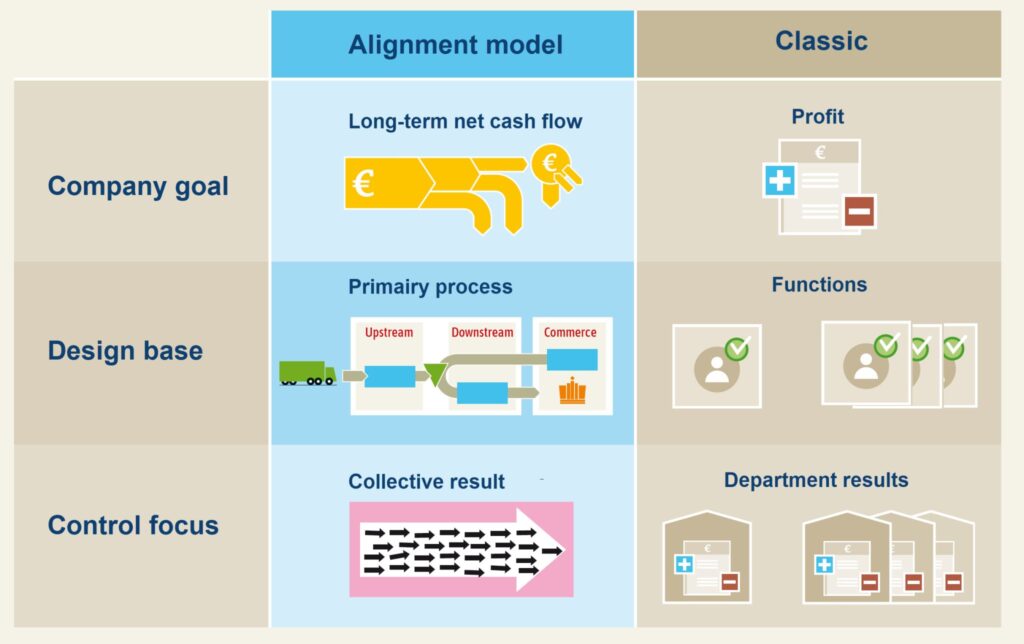
Focus on long-term cash flow, not short-term profit. Sustainable success comes from understanding the true drivers of financial health.
Design the business around the core process, not departments or functions. Break down silos by following how value actually flows.
Manage for alignment and collective performance, not individual results. When teams work in sync, the whole outperforms the sum of its parts.
Managing based on net cash flow and collective results creates organizations that are not only far more efficient and better at moving the needle, but also much more enjoyable places to work.
Organizations become more efficient, agile, and better places to work when all parts move in the same direction.
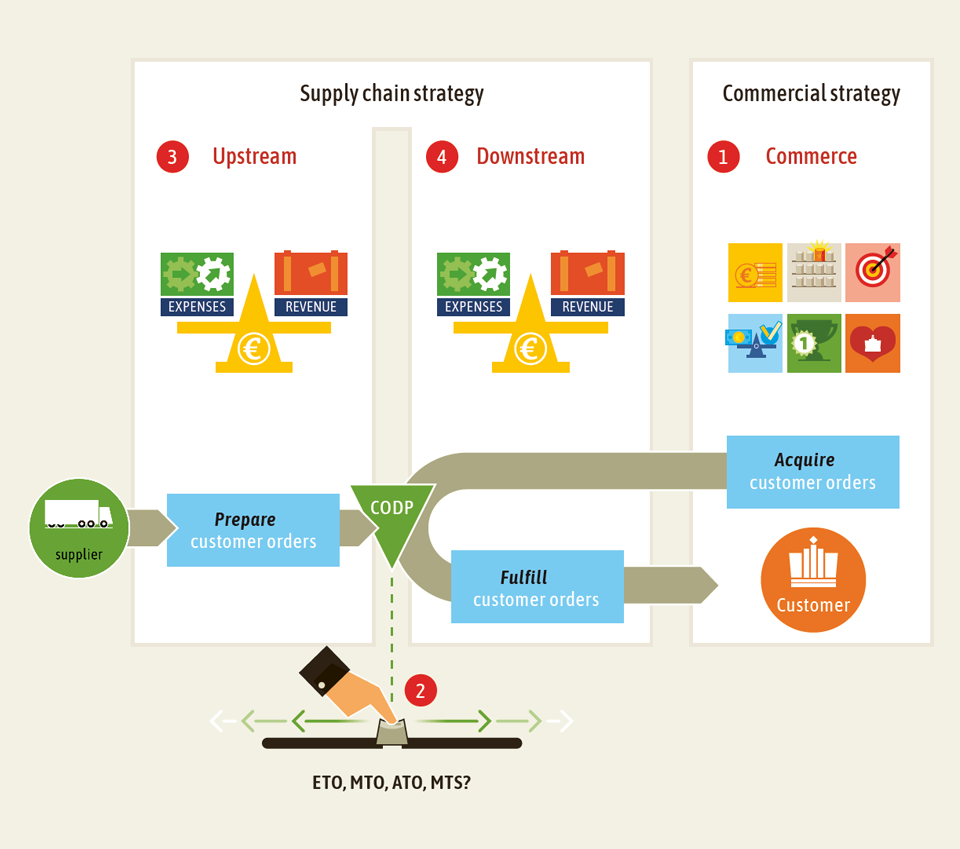
Many companies lack a clear strategy that helps managers make daily decisions — a compass pointing forward consistently. Good strategy defines both customer promises and fulfillment methods, forming true alignment.
Designing strong strategy:
Document consequences clearly so everyone understands and acts accordingly. A good strategy becomes a shared compass driving effectiveness, productivity, and employee engagement.

"If just one of the wheels is out of alignment, you'll never win the race."
Like an F1 car, every part of your organization must work in perfect harmony to win. The Alignment Puzzle shows you how.
Order Your Copy